Follow the Money: What Eli Lilly's Community Health Investment Teaches Dermatology NPs About Building Strategic Practices
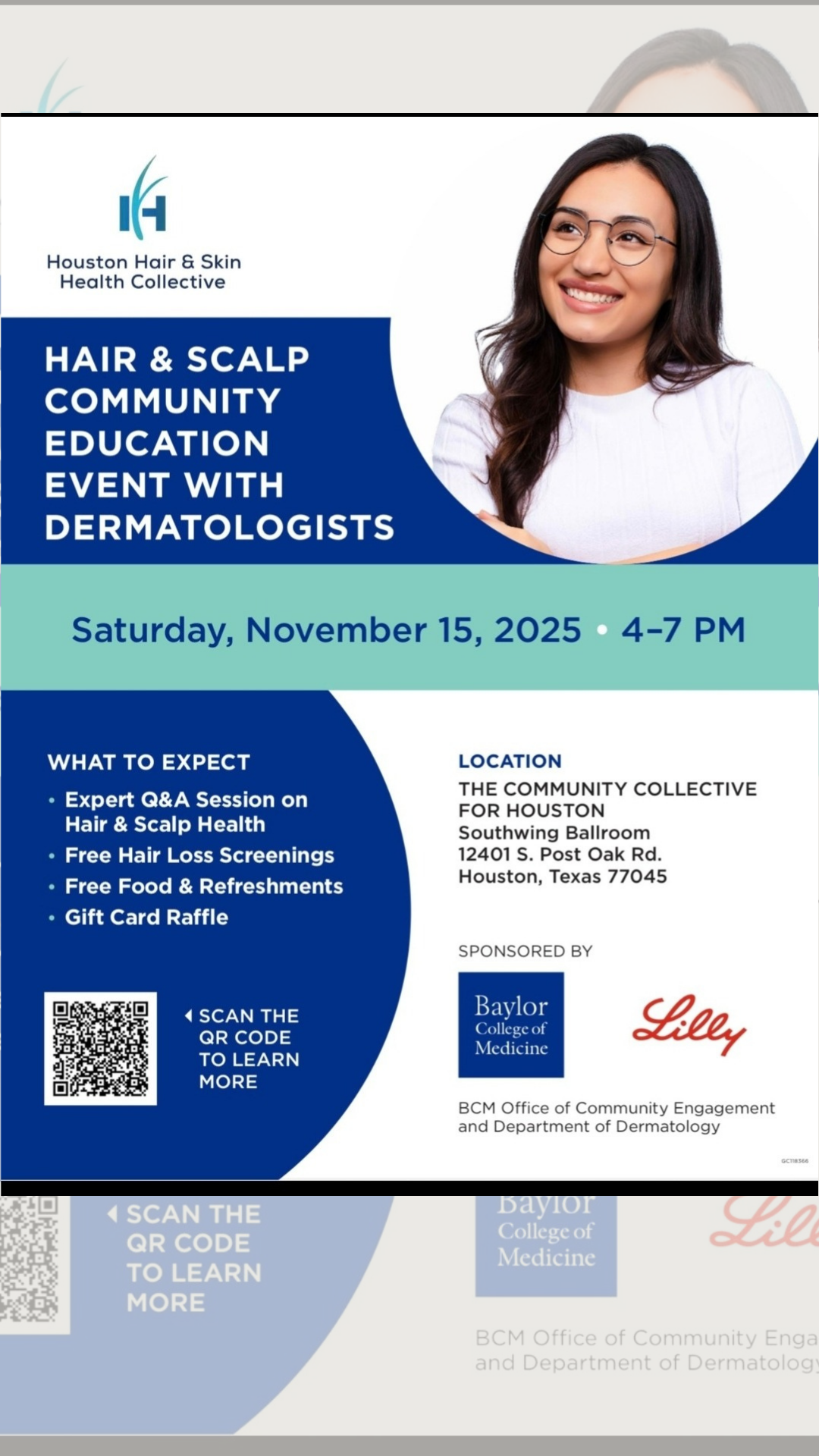
On November 15, 2025, I participated in two community health events, both sponsored by Eli Lilly. Morning: Free alopecia education session at Honeycomb Clinic with Dr. Tisha Rowe, MD (family physician and clinic owner) and Dr. Maureen Ezekor, MD, FAAD (Humble Dermatology), in partnership with the African American Health Coalition. Afternoon: Alopecia education with Dr. Oyetewa Asempa, MD, FAAD (Baylor College of Medicine). Two events. One sponsor. One strategic message that most cosmetic and dermatology nurse practitioners are missing: Follow the money.
Introduction
When a trillion-dollar pharmaceutical company sponsors two separate community health events focused on alopecia education in underserved neighborhoods on the same day, it's not charity. It's infrastructure investment. And if you're a dermatology or Cosmetic Nurse Practitioner (NP) building a practice, understanding why corporations make these investments, and how to position yourself inside this ecosystem, is the difference between chasing patients and building sustainable referral networks that generate revenue for decades.
This article connects historical context (the 1910 Flexner Report's decimation of Black medical schools), current healthcare realities (less than 3% of dermatologists are Black), social determinants of health, and the strategic business lesson: corporations invest in community trust because that's where future market share lives.
And so should you.
Background and Significance
The Flexner Report: How American Medicine Eliminated Black Physicians
In 1910, the Flexner Report restructured American medical education. Abraham Flexner, commissioned by the Carnegie Foundation, evaluated medical schools across the United States and Canada. His recommendations raised clinical standards, established accreditation requirements, and fundamentally transformed medical training.
But the report also had devastating consequences for Black physicians and communities.
Before the Flexner Report, seven medical schools served Black students: Howard University College of Medicine, Meharry Medical College, Leonard Medical School (Shaw University), Flint Medical College, Knoxville College Medical Department, Louisville National Medical College, and the University of West Tennessee College of Medicine and Surgery.
After Flexner's recommendations were implemented, only two survived: Howard University and Meharry Medical College.
The others closed due to lack of funding, inability to meet new accreditation standards, or deliberate exclusion from the restructured medical education system. Black students who had pathways into medicine suddenly had almost none. And the pipeline of Black physicians, already small, nearly disappeared.
The Impact Persists Today
More than a century later, we're still living with the consequences.
Black physicians comprise less than 6% of all doctors in America. Black dermatologists represent less than 3% of the specialty. Latino dermatologists hover around 4%. We don’t know the numbers in nursing because no one is collecting that data, yet.
This isn't just a diversity problem. It's a clinical outcomes problem.
When communities cannot access providers who understand their lived experiences, who can recognize central centrifugal cicatricial alopecia (CCCA) on textured hair, who understand the cultural significance of hair loss in Black communities, who can identify hyperpigmentation disorders on melanin-rich skin without dismissing them as "cosmetic", access to culturally sensitive dermatologic care disappears.
Research consistently shows that racial concordance between patients and providers improves health outcomes. Black patients treated by Black healthcare providers (physicians, nurse practitioners, and physician assistants) have better cardiovascular outcomes, better diabetes management, and higher rates of preventive care utilization. When patients see providers who look like them, trust increases. When trust increases, patients disclose more, follow treatment plans more consistently, and return for follow-up care.
But if only 3% of dermatologists are Black and skin of color curriculum is not standard in nursing and medical schools, where do Black patients go for hair loss treatment? For keloid management? For skin cancer screening on dark skin? For acne treatment that won't cause post-inflammatory hyperpigmentation?
They go to community health events. Mobile clinics. Free screenings. Places where they don't need insurance, don't need to navigate complex healthcare systems, and don't need to worry about whether the provider has ever seen skin like theirs.
And that's exactly why Eli Lilly sponsored two separate alopecia education events on November 15, 2025.
Social Determinants of Health: It's Not Just About Insurance
When we talk about social determinants of health, we typically focus on the big structural barriers: income, insurance coverage, housing stability, food security, transportation access.
But there's another determinant that's harder to quantify and easier to ignore: whether you can find a provider who has been trained to care for you.
A Black woman experiencing hair thinning at her temples doesn't just need a dermatology nurse practitioner. She needs a derm NP who knows the difference between traction alopecia (reversible with intervention) and central centrifugal cicatricial alopecia (progressive scarring alopecia requiring early treatment to prevent permanent hair loss).
She needs a provider who won't dismiss her concerns as "just cosmetic" when hair loss in Black communities carries profound psychological, social, and cultural weight.
She needs a provider who understands that the same tight hairstyles recommended for "professionalism" in corporate America are the mechanical stressors causing traction alopecia, and who can help her navigate that tension without judgment.
That level of care requires cultural awareness. And cultural awareness requires training, exposure, and, ideally, lived experience.
Resources Exist, But Awareness is Low
For patients seeking dermatologists who specialize in skin of color, directories like See My Skin and Black Derm Directory connect communities with providers trained in melanin-rich skin and textured hair conditions.
For providers seeking cultural sensitivity training, platforms like HUED (which I wrote about in one of the first articles on the Mahogany Dermatology blog after meeting with their representative) are building educational infrastructure for skin of color competency. HUED offers continuing education, clinical protocols, and business resources specifically designed to help healthcare providers deliver culturally responsive care.
But awareness of these resources remains low. Most patients don't know these directories exist. Most providers don't know where to get training beyond what they learned in their NP or PA programs, which, statistically, included minimal to no education on skin of color dermatology.
That's the gap that community events fill.
November 15: What Happened and Why It Matters
On the morning of November 15, Honeycomb Clinic, owned by Dr. Tisha Rowe, MD, partnered with the African American Health Coalition to host a free alopecia education session. Dr. Rowe is a family physician who treats a significant volume of dermatologic conditions, including alopecia, because patients in provider shortage areas face months-long wait times to see dermatologists. She was joined by Dr. Maureen Ezekor, MD, FAAD, from Humble Dermatology, who led the educational session.
This is what the access problem looks like in real time. Dr. Rowe didn't choose to specialize in dermatology. She's a family physician. But when your patients can't get appointments with dermatology provider for 3-6 months, or can't afford the specialist copay, or don't have insurance that covers dermatology visits, or can't find a dermatologist who has experience treating Black skin and textured hair, you become the provider they turn to.
So Dr. Rowe learned. She built expertise in alopecia, skin conditions, and dermatologic concerns affecting her patient population. She opened Honeycomb Clinic as a space where her community could access care. And on November 15, she partnered with the African American Health Coalition and board-certified dermatologist Dr. Ezekor to provide specialized education her patients couldn't access anywhere else.
That's what filling gaps looks like.
That afternoon, Dr. Oyetewa Asempa, MD, FAAD from Baylor College of Medicine, led another alopecia education session, also focused on serving communities experiencing disproportionate rates of hair loss conditions and lacking access to dermatologists trained in textured hair.
Two separate events. Different providers. Same community need: access to culturally competent dermatologic education about conditions affecting Black women's hair.
Both events were sponsored by Eli Lilly.
Let me be clear about what this means: Eli Lilly, now the world's first $1 trillion healthcare company, chose to invest in two separate alopecia education events on the same day. Not because they had drugs to promote at a hair loss screening. Not because they were launching a new dermatology product line. But because they understand that trust is built in communities, not purchased through marketing campaigns.
When a corporation sponsors free education and partnerships with Black providers who already have community trust, twice in one day, they're not engaging in philanthropy. They're investing in infrastructure that generates long-term market access.
Because when those community members eventually need metabolic health management, cardiovascular care, diabetes treatment, or any of the conditions Lilly's drugs address, they'll remember who showed up. They'll remember who invested. They'll remember who made healthcare accessible when no one else did.
Follow the money. And then follow the model.
Clinical Implications for Dermatology and Cosmetic Nurse Practitioners
If trillion-dollar pharmaceutical companies are investing in community health infrastructure to the extent that they sponsor two separate alopecia education events on the same day, what does that mean for you as a cosmetic or dermatology NP building a practice?
It means you should adopt the same strategy.
Strategy 1: Partner with Community Health Organizations
Organizations like the African American Health Coalition are actively seeking healthcare providers to participate in mobile health screenings, community education events, and health equity programming. Notice that the morning event at Honeycomb Clinic was done in partnership with the African American Health Coalition, this is how strategic collaborations work.
When you show up to serve underserved communities, you're doing four things simultaneously:
Building trust and referrals: Community members who receive free education and screenings remember the providers who showed up. When they're ready to seek dermatology care, aesthetic services, or preventive health services, they call the NPs they already know and trust.
Increasing regional visibility: Community health organizations promote their events through local networks, community centers, churches, social media, and word of mouth. Your participation positions you as a provider who cares about health equity, not just profit.
Aligning with corporate sponsors: Pharmaceutical companies like Eli Lilly sponsor these initiatives because they understand population health, social determinants, and long-term market positioning. When you partner with these organizations, you demonstrate to corporate sponsors that you think strategically about community investment. That positions you for future partnerships, speaking opportunities, advisory roles, and consulting contracts.
Accessing budgets you didn't know existed: Most cosmetic NPs are trying to figure out how to pay for marketing, patient acquisition, and brand visibility. Meanwhile, pharmaceutical companies and nonprofit organizations have community investment budgets specifically designed to build relationships with providers serving underserved populations. Position yourself inside that ecosystem.
How to start: Contact local nonprofits working on health equity in your region (search for organizations focused on Black health, Latino health, immigrant health, or general community health coalitions). Offer to provide free skin cancer screenings, alopecia education, skin health assessments, or melanoma detection training at their next community event. Bring educational materials. Collect email addresses (with consent) for follow-up and newsletter subscriptions.
Strategy 2: Collaborate with Black Dermatologists and Primary Care Providers Filling Dermatology Gaps
November 15 demonstrated two models of collaboration:
Model 1: Family physician + board-certified dermatologist partnership (Morning event) Dr. Tisha Rowe (Honeycomb Clinic) partnered with Dr. Maureen Ezekor (Humble Dermatology) and the African American Health Coalition. Dr. Rowe is a family physician who has built dermatologic expertise out of necessity, her patients face months-long wait times to see dermatologists, so she became the provider they could actually access. By partnering with a board-certified dermatologist, she elevated the education her patients received while maintaining the trust and accessibility her clinic provides.
Model 2: Academic medical center community outreach (Afternoon event) Dr. Oyetewa Asempa from Baylor College of Medicine brought specialized dermatologic expertise directly to the community, removing the barriers that prevent patients from accessing care at academic medical centers.
As a cosmetic or dermatology NP, you can participate in either model or both.
How to collaborate:
Partner with primary care providers treating dermatology out of necessity: Providers like Dr. Rowe demonstrate what happens when access to specialists doesn't exist, primary care physicians develop dermatologic expertise because their patients need it. As an NP, you can offer to support these providers with education, co-consultations, or formal partnerships that strengthen their dermatologic care while expanding your referral network.
Connect with academic centers doing community outreach: Reach out to local nursing and NP schools and ask how you can support their community health initiatives. Academic institutions often have community benefit requirements but lack the staff to execute them effectively. Position yourself as the NP who can bridge that gap.
Create bidirectional referral pathways: If you're a cosmetic NP who sees patients with acanthosis nigricans, hidradenitis suppurativa, or post-inflammatory hyperpigmentation, establish referral relationships with dermatologists who specialize in these conditions. Similarly, if they need a cosmetic NP who understands melanin-rich skin for aesthetic consultations, you become their go-to referral.
Pursue formal training or mentorship: Consider working with dermatologists who offer fellowships, externships, or paid training programs for NPs and PAs who want to build skin of color expertise. Invest in that education. It differentiates you in the market and improves patient outcomes. Also, consider attending events that champion skin of color education as part of their mission, not an afterthought:
Strategy 3: Position Yourself Inside Corporate-Sponsored Community Health Initiatives
Eli Lilly isn't the only pharmaceutical company investing in community health. Many corporations have health equity budgets, community investment programs, and partnerships with organizations serving underrepresented populations.
Your job is to position yourself where those budgets already exist.
Research corporate health equity initiatives in your region: Which pharmaceutical companies sponsor health fairs, mobile clinics, or community screenings? Which medical device companies invest in underserved areas? Which healthcare systems have community benefit programs?
Reach out directly: Contact their community investment departments or health equity leads. Introduce yourself as a nurse practitioner specializing in dermatology or cosmetics with expertise in skin of color. Offer to participate in upcoming events, provide clinical education, or serve as a consultant on culturally responsive care.
Document your impact: When you participate in these events, track metrics: How many patients did you screen? How many referrals did you generate? What conditions did you identify that would have gone undiagnosed? Corporate sponsors care about outcomes. Give them data.
Bonus Strategy: Invest in Cultural Awareness Training
If you want to serve communities of color effectively, you need training beyond what NP programs provide.
Platforms like HUED offer continuing education specifically designed for skin of color competency. I wrote about HUED in one of the first articles on the Mahogany Dermatology blog after meeting with their representative, and their platform continues to grow as a critical resource for providers committed to health equity. Their courses cover topics including:
Cultural Competence & Humility
Anti-Racism
Unconscious Bias
Social Determinants of Health
Introduction to Perinatal Health Equity
Skin Equity and Inclusion (free course)
This isn't optional. If you're marketing yourself as a provider who serves "all skin types," you need to back that up with actual training, not just good intentions.
Use directories like Black Derm Directory not just as patient resources, but as professional development tools. Look at which providers are listed. What services do they offer? How do they market their skin of color expertise? What can you learn from their positioning?
Closing Statement
Follow the money.
When trillion-dollar pharmaceutical companies invest enough in community health education that they sponsor two separate alopecia events on the same day, one at a family medicine clinic partnering with a community health coalition, and another led by an academic medical center dermatologist, they're not being generous.
They're being strategic.
They understand that trust is built in communities. That access to care isn't just about opening a clinic, it's about showing up where people already are, in ways that feel safe and culturally affirming. That the future of healthcare is community-based, culturally responsive, and requires partnerships with providers who already have credibility in the communities that need care most.
As a dermatology or cosmetic nurse practitioner, you have a choice: You can ignore this shift and keep chasing the next injectable trend. Or you can recognize where healthcare investment capital is moving and position your practice accordingly.
Partner with community health organizations like the African American Health Coalition. Build referral networks with Black dermatologists doing this work at Humble Dermatology. Learn from family physicians like Dr. Tisha Rowe who are filling dermatology access gaps at Honeycomb Clinic. Connect with academic medical centers like Baylor College of Medicine that are doing community outreach. Invest in cultural competency training through platforms like HUED. Show up to community events. Collect the human data. Tell the stories. Build the trust.
The cosmetic NPs who win over the next five years won't be the ones with the best Instagram filters. They'll be the ones who understand that sustainable practices are built on community relationships, cultural awareness, and strategic partnerships with the institutions that are already investing in health equity.
Follow the money. Then follow the model.
Grateful to Dr. Tisha Rowe (Honeycomb Clinic), Dr. Maureen Ezekor (Humble Dermatology), Dr. Oyetewa Asempa (Baylor College of Medicine), the African American Health Coalition, and Eli Lilly for making November 15th a day of education, access, and community-centered care. And the cherry on top? A surprise appearance by Dr. Adeline Kikam, MD, FAAD (affectionately known as Brown Skin Derm on Instagram), who shared the pending opening of her practice here in Houston in January 2026, where she’ll be partnering with a hairstylist as her business model and doing what I love most:
“Find people who benefit from your business being in business. Then, keep each other in business.”
Follow the money. Then invest in yourself.
When it comes to business, yours or the one you work for, we need money. But instead of begging for venture capital from people who don't understand what we're building, we need to invest in one another.
Eli Lilly invested in two community health events on December 13 because they understand that trust, relationships, and community infrastructure generate long-term returns. They followed the money to where it matters most: underserved communities building the future of healthcare.
You can do the same.
If you're a cosmetic or dermatology nurse practitioner who wants to build a practice grounded in health equity, business strategy, and cultural awareness, the Alliance of Cosmetic Nurse Practitioners™ is where we teach all 9 Pillars of Advanced Practice Nursing, including financial literacy, community partnerships, and strategic positioning.
Nurses are both investors and one of the most underrecognized investable forces in healthcare. Instead of begging for capital, it's time we invest in one another.
Dr. Kimberly Madison, DNP, AGPCNP-BC, WCC, is a Board-Certified, Doctorally-prepared Nurse Practitioner, educator, and author dedicated to advancing dermatology nursing education and research with an emphasis on skin of color. As the founder of Mahogany Dermatology Nursing | Education | Research™and the Alliance of Cosmetic Nurse Practitioners™, she expands access to dermatology research, business acumen, and innovation while also leading professional groups and mentoring clinicians. Through her engaging and informative social media content and peer-reviewed research, Dr. Madison empowers nurses and healthcare professionals to excel in dermatology and improve patient care
.svg)

.svg)
.svg)